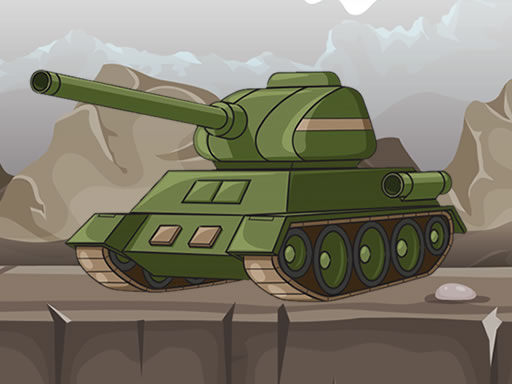
Tank Jigsaw
Armoured-vehicle jigsaw where harder cuts earn the money that unlocks new pictures.
Easy to moderate Play now →

17 games available now
Logic, pattern reading and spatial planning, from timed match-three grids and block collapses to jigsaws, word searches, escape rooms and physics problems. Some of these boards want a decision every second, and others will wait as long as you need.
The puzzle shelf splits roughly into two halves, and it is worth knowing which one you are opening. Timed boards such as the match-three and collapse games score you against a clock, so they suit a short session where you want pressure. The jigsaws, word searches, wiring puzzles and escape rooms have no timer at all, and reward slow looking instead.
Each guide states which kind a game is before you launch it, along with the input it wants. Most of the shelf runs on a pointer, so it works the same with a mouse or a finger, and the handful that read arrow keys are marked as such on their own page.
Ready to launch
Only games whose UTC release time has arrived are shown here.
Armoured-vehicle jigsaw where harder cuts earn the money that unlocks new pictures.
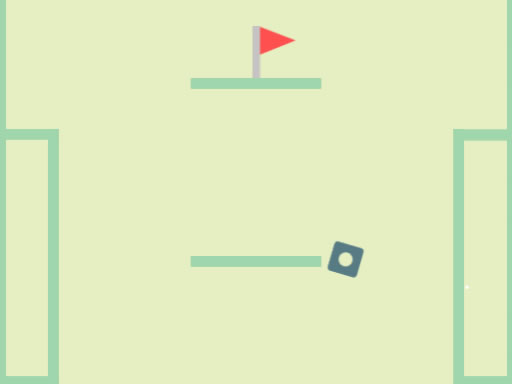
Physics puzzle where fired balls ricochet off walls to nudge a block toward a flag.

One-button timing puzzle where you stop moving rows of balls on a target colour.

Timed object-matching board with a level campaign and a separate endless mode.

Timed match-three board built from computer hardware tiles instead of fruit or gems.
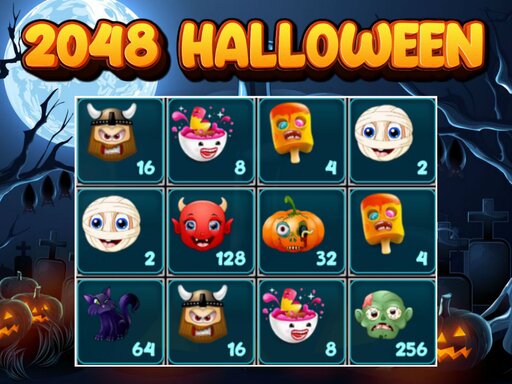
Halloween-skinned sliding merge board with limited shuffle and regroup helpers.
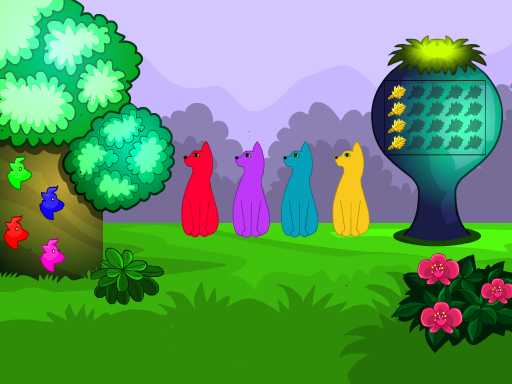
Point-and-click village escape built on hidden objects and small logic locks.

Standard browser chess against an opponent, with full rules and normal piece movement.

Holiday-themed timed match-three where large clears return seconds to the clock.
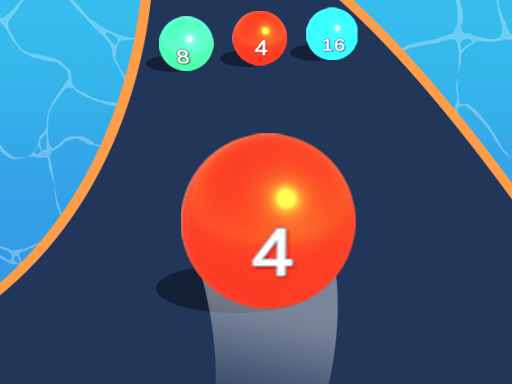
Lane-shifting runner where matching numbered balls merge into higher values.
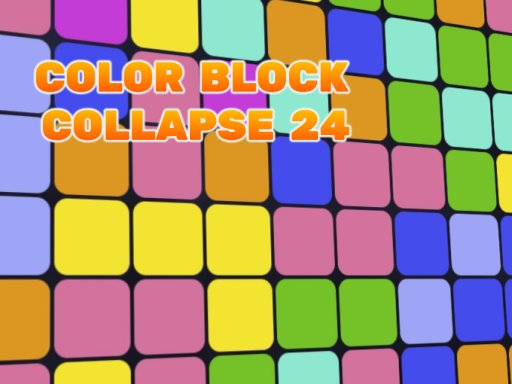
Grid-clearing collapse puzzle where large same-colour groups score and single blocks cost points.
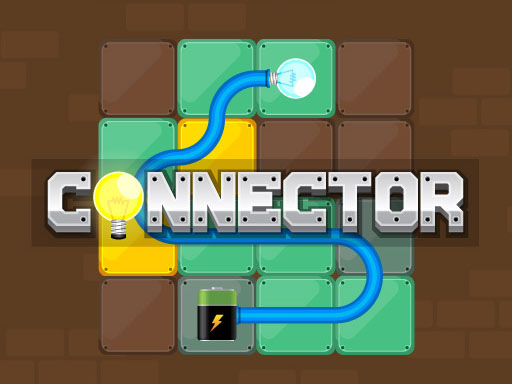
Circuit puzzle where you rotate wire segments to run power from the source to a bulb.
Word-search puzzle where you trace straight lines of letters to spell the listed words.

Tap-to-blast cube puzzle where large clusters leave boosters that combine into bigger blasts.
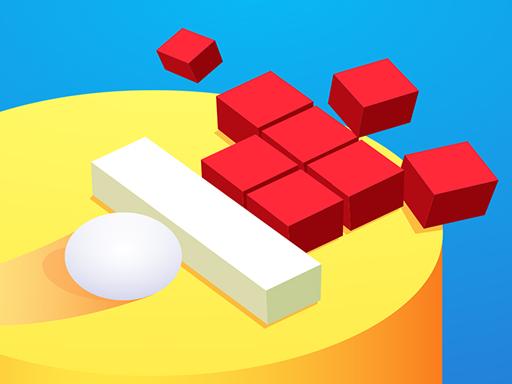
Block-pushing spatial puzzle where every push is one-way and order matters.
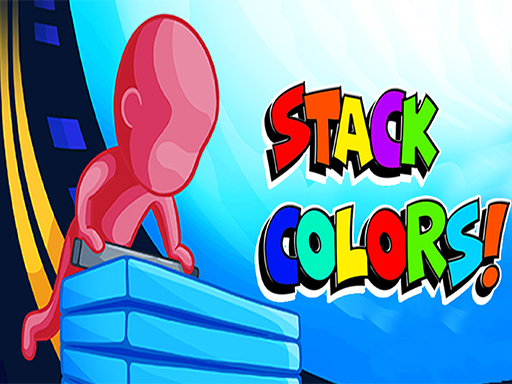
Colour-matching collection run where you stack same-colour bricks and steer around the rest.

Motorbike jigsaw with six images and a piece count you choose before starting.
Match-three and collapse games here run against a counter, and a few hand time back for larger clears, which turns big matches into survival rather than just score. If you would rather not watch a clock, the jigsaws, word searches and circuit puzzles have no fail state at all: a wrong move simply does not register and the board waits.
Some boards are read a move at a time, and others punish that. The block-pushing and route-drawing puzzles can be lost several moves before you notice, because a block wedged in a corner or a path that cuts off its own exit cannot be recovered. Those games are worth studying before touching anything, and they restart quickly when a plan fails.
The jigsaws let you set the piece count before starting, so the same picture is either a few minutes of tidy assembly or a long sort through near-identical fragments. Where a game offers that choice, its guide says so, which makes the shelf easy to filter by how much time you actually have.
Category help
Practical answers before you choose a title.
The jigsaws, the word search, the wiring puzzle and the point-and-click escape game all run without a clock and without a fail state. Their guides say so explicitly under objectives and failure conditions, so you can check before opening one.
Most of the shelf is pointer-driven and plays the same with a mouse or a touch screen. The sliding-merge board reads arrow keys as well as swipes, so it works either way. Each game page lists its inputs and notes how it behaves on a phone.
The timed match-three boards, the collapse puzzle and the one-button timing game all fit into a few minutes and restart instantly. The escape room and the fine-cut jigsaws are the opposite end of the shelf and want a proper sitting.
The physics and route-planning puzzles are the toughest on the shelf, and a couple of them can be lost by a single careless move. They restart in a click, and the guides flag which ones punish an early mistake so you know what you are getting into.